
Disorders of the immune system fall into four main categories:
- immunodeficiency disorders (primary or acquired)
- autoimmune disorders (in which the body’s own immune system attacks its own tissue as foreign matter)
- allergic disorders (in which the immune system overreacts in response to an antigen)
- cancers of the immune system
Immunodeficiency Disorders
Immunodeficiencies happen when a part of the immune system is missing or not working properly. Some people are born with an immunodeficiency (known as primary immunodeficiencies), although symptoms of the disorder might not appear until later in life. Immunodeficiencies also can be acquired through infection or produced by drugs (these are sometimes called secondary immunodeficiencies).
Immunodeficiencies can affect B lymphocytes, T lymphocytes, or phagocytes. Examples of primary immunodeficiencies that can affect kids and teens are:
- IgA deficiency is the most common immunodeficiency disorder. IgA is an immunoglobulin that is found primarily in the saliva and other body fluids that help guard the entrances to the body. IgA deficiency is a disorder in which the body doesn’t produce enough of the antibody IgA. People with IgA deficiency tend to have allergies or get more colds and other respiratory infections, but the condition is usually not severe.
- Severe combined immunodeficiency (SCID)Â is also known as the “bubble boy disease” after a Texas boy with SCID who lived in a germ-free plastic bubble. SCID is a serious immune system disorder that occurs because of a lack of both B and T lymphocytes, which makes it almost impossible to fight infections.
- DiGeorge syndrome (thymic dysplasia), a birth defect in which kids are born without a thymus gland, is an example of a primary T-lymphocyte disease. The thymus gland is where T lymphocytes normally mature.
- Chediak-Higashi syndrome and chronic granulomatous disease (CGD) both involve the inability of the neutrophils to function normally as phagocytes.
Acquired (or secondary) immunodeficiencies usually develop after someone has a disease, although they can also be the result of malnutrition, burns, or other medical problems. Certain medicines also can cause problems with the functioning of the immune system.
Acquired (secondary) immunodeficiencies include:
- HIV (human immunodeficiency virus) infection/AIDS (acquired immunodeficiency syndrome)Â is a disease that slowly and steadily destroys the immune system. It is caused by HIV, a virus that wipes out certain types of lymphocytes called T-helper cells. Without T-helper cells, the immune system is unable to defend the body against normally harmless organisms, which can cause life-threatening infections in people who have AIDS. Newborns can get HIV infection from their mothers while in the uterus, during the birth process, or during breastfeeding. People can get HIV infection by having unprotected sexual intercourse with an infected person or from sharing contaminated needles for drugs, steroids, or tattoos.
- Immunodeficiencies caused by medications. Some medicines suppress the immune system. One of the drawbacks of chemotherapy treatment for cancer, for example, is that it not only attacks cancer cells, but other fast-growing, healthy cells, including those found in the bone marrow and other parts of the immune system. In addition, people with autoimmune disorders or who have had organ transplants may need to take immunosuppressant medications, which also can reduce the immune system’s ability to fight infections and can cause secondary immunodeficiency.
Autoimmune Disorders
In autoimmune disorders, the immune system mistakenly attacks the body’s healthy organs and tissues as though they were foreign invaders. Autoimmune diseases include:
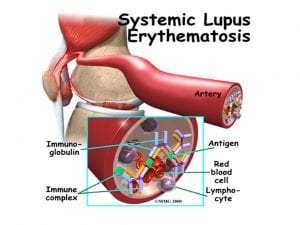
- Lupus:Â a chronic disease marked by muscle and joint pain and inflammation (the abnormal immune response also may involve attacks on the kidneys and other organs)
- Juvenile idiopathic arthritis:Â a disease in which the body’s immune system acts as though certain body parts (such as the joints of the knee, hand, and foot) are foreign tissue and attacks them
- Scleroderma:Â a chronic autoimmune disease that can lead to inflammation and damage of the skin, joints, and internal organs
- Ankylosing spondylitis:Â a disease that involves inflammation of the spine and joints, causing stiffness and pain
- Juvenile dermatomyositis:Â a disorder marked by inflammation and damage of the skin and muscles
Allergic Disorders
Allergic disorders happen when the immune system overreacts to exposure to antigens in the environment. The substances that provoke such attacks are called allergens. The immune response can cause symptoms such as swelling, watery eyes, and sneezing, and even a life-threatening reaction called anaphylaxis. Medicines called antihistamines can relieve most symptoms.
Allergic disorders include:
- Asthma, a respiratory disorder that can cause breathing problems, often involves an allergic response by the lungs. If the lungs are oversensitive to certain allergens (like pollen, molds, animal dander, or dust mites), breathing tubes can become narrowed and swollen, making it hard for a person to breathe.
- Eczema is an itchy rash also known as atopic dermatitis. Although not necessarily caused by an allergic reaction, eczema most often happens in kids and teens who have allergies, hay fever, or asthma or who have a family history of these conditions.
- Allergies of several types can affect kids and teens. Environmental allergies (to dust mites, for example), seasonal allergies (such as hay fever), drug allergies (reactions to specific medications or drugs), food allergies (such as to nuts), and allergies to toxins (bee stings, for example) are the common conditions people usually refer to as allergies.

Cancers of the Immune System
Cancer happens when cells grow out of control. This can include cells of the immune system. Leukemia, which involves abnormal overgrowth of leukocytes, is the most common childhood cancer. Lymphoma involves the lymphoid tissues and is also one of the more common childhood cancers. With current treatments, most cases of both types of cancer in kids and teens are curable.