
Several measures help protect people against infection.
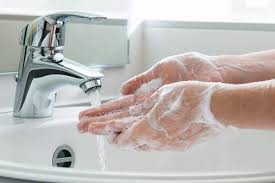
Hand washing is an effective way of preventing the spread of infectious microorganisms from one person to another. Hand washing is particularly important for people who handle food or who have frequent physical contact with other people. People visiting hospital patients who are seriously ill should wash their hands and may be asked put on a gown, mask, and gloves before entering the patient’s room. Many hospitals also provide sanitizing gels or foams that contain alcohol. Using these agents on the hands before and after touching patients can help prevent the spread of infection.
Sometimes antibiotics are given to people who do not yet have an infection to prevent them from getting an infection. This preventive measure is called prophylaxis. Many healthy people who undergo certain types of surgery—particularly abdominal surgery and organ transplantation—require prophylactic antibiotics.
Vaccination is one of the most effective ways to prevent infections. People who are at increased risk of developing infections (especially infants, children, older people, and people with AIDS) should receive all the vaccinations necessary to reduce this risk.
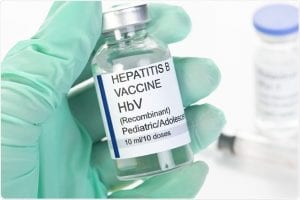
In most work or laboratory situations, transmission is most likely to occur because of accidental puncture from contaminated needles, broken glass, or other sharps; contact between broken or damaged skin and infected body fluids; or contact between mucous membranes and infected body fluids. For example, if someone infected with HBV cut his or her finger on a piece of glass, and then you cut yourself on the now infected piece of glass, it is possible that you could contract the disease. Anytime there is blood-to-blood contact with infected blood or body fluids, there is a slight potential for transmission.
Unbroken skin forms an impervious barrier against bloodborne pathogens. However, infected blood can enter your system through:
• Open sores
• Cuts
• Abrasions
• Acne
• Any sort of damaged or broken skin such as sunburn or blisters
Bloodborne pathogens may also be transmitted through the mucous membranes of the
• Eyes
• Nose
• Mouth
For example, a splash of contaminated blood to your eye, nose, or mouth could result in transmission.
General Work Practices
Organize and plan work procedures with your safety and the safety of others in mind. Keep an uncluttered work space. Always make sure all necessary safety materials and exposure control equipment are available and in good working order. Keep disinfectant or 10% household chlorine bleach and paper towels nearby in case of a spill. Decontaminate all work surfaces with 1:10 dilution of household chlorine bleach or manufacturer’s recommended dilution of a disinfectant upon completion of work and after any spill before leaving your work area.
- Avoid touching your face, skin, or handle clean surfaces, materials or equipment while wearing gloves.
- Beards or mustaches may be undesirable in work places with potential airborne contamination. Facial hair retains particulate contamination more persistently than clean shaven skin. Clean shaven faces enhance the fit of facial masks and are required when respirators are used.
- Eating, drinking, smoking, applying cosmetics and lip balm and handling contact lenses are prohibited in potentially contaminated work sites. Hand creams and lotions are permitted because they are not considered to be cosmetics.
- Use non-petroleum based hand creams only. Petroleum based hand creams can compromise the integrity of some brands of gloves.
- Food and drink must never be stored in refrigerators, freezers, cabinets or bench tops where blood or other potentially infectious materials may be present.
Handwashing
Handwashing removes microorganisms that may have contaminated hands during manipulation of specimens, equipment and supplies or while treating patients or contacting environmental surfaces. Each clinical or laboratory area must have readily accessible handwashing facilities. Wash hands with soap and running water immediately, or as soon as feasible, after removing gloves and other personal protective equipment. Wash hands when leaving the clinical or laboratory area for general access areas such as lunchrooms, libraries, and administrative offices. Wash hands and change gloves between patients. Wash any other skin areas with soap and water, and flush mucous membranes with water immediately, or as soon as feasible, following contact with blood or other potentially infectious materials.
Employees working in field situations must use antiseptic hand cleansers in conjunction with clean cloths or paper towels, or antiseptic towelettes (antiseptic towelettes may not be appropriate for use on all mucous membrane areas). Hands must still be washed with soap and running water as soon as feasible even when antiseptic hand cleansers have been used.
When should you wash your hands?
- Before, during, and after preparing food
- Before eating food
- Before and after caring for someone who is sick
- Before and after treating a cut or wound
- After using the toilet
- After changing diapers or cleaning up a child who has used the toilet
- After blowing your nose, coughing, or sneezing
- After touching an animal, animal feed, or animal waste
- After touching garbage
Watch the video to see the correct method of washing hands