The Hepatitis C virus (HCV) is also a significant cause of severe liver damage and death.
- After a needlestick or sharps exposure to HCV-positive blood, the risk of HCV infection is approximately 1.8%
- 75-80% chronic
- 3.2 million persons in the U.S.- chronic HCV infection
- Vaccine? No
- PEP? No
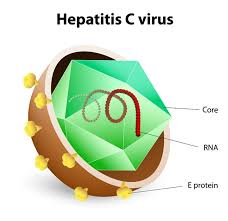
HCV or parenterally transmitted hepatitis nonA-nonB (NANB) virus is an enveloped RNA virus. HCV infection is the most common chronic bloodborne infection and is a major cause of liver disease in the United States. An estimated 4.1 million Americans have been infected with HCV. It is estimated that about 5.3% of the population in Africa have HCV. 55% – 85% of persons with HCV infection become chronically infected, and chronic liver disease with persistently elevated liver enzymes develops in approximately 70% of all HCV infected persons. Persons with chronic hepatitis C are at risk for cirrhosis and primary hepatocellular carcinoma.
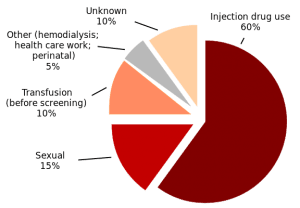
Most HCV transmission is associated with direct percutaneous exposure to blood. Health care workers (HCW) are at occupational risk for acquiring this viral infection. However, no vaccine is available to prevent hepatitis C, and immune globulin and antiviral agents are not recommended for postexposure prophylaxis.
The severity of HCV infection ranges from inapparent cases to, in rare cases, fulminating fatal disease. While 80% of HCV infections progress to chronic liver disease over a period of years. Symptomatic chronic HCV infection often improves within 3 to 5 years after infection but may progress to cirrhosis.
In infected individuals, HCV antibody is not detected until an average of 15 weeks after the onset of hepatitis (22 weeks) and may even remain undetectable for a year. There exists a “healthy” carrier state since HCV viremia may persist throughout the course of disease and is not always cleared.
If symptoms occur, the average time is 6-7 weeks after exposure, but this can range from 2 weeks to 6 months. However, many people infected with the Hepatitis C virus do not develop symptoms.
Hepatitis C virus-infected individuals are infectious to other people, whether they show symptoms or not. Interestingly, Hepatitis C virus is strictly a human disease. It is not known to cause disease in any animals.
Blood testing for Hepatitis C virus was not available until 1992. As a result, blood donation agencies did not screen for Hepatitis C virus. Many Hepatitis C virus infections occurred as a result of receiving blood products from infected individuals. Today, testing for Hepatitis C is common place and should occur after any exposure to potential bloodborne pathogens has occurred.
There is no vaccine for Hepatitis C.
How Hepatitis C is spread